GoTogether
HomeTripsFind BuddyStoriesAbout
Sign In
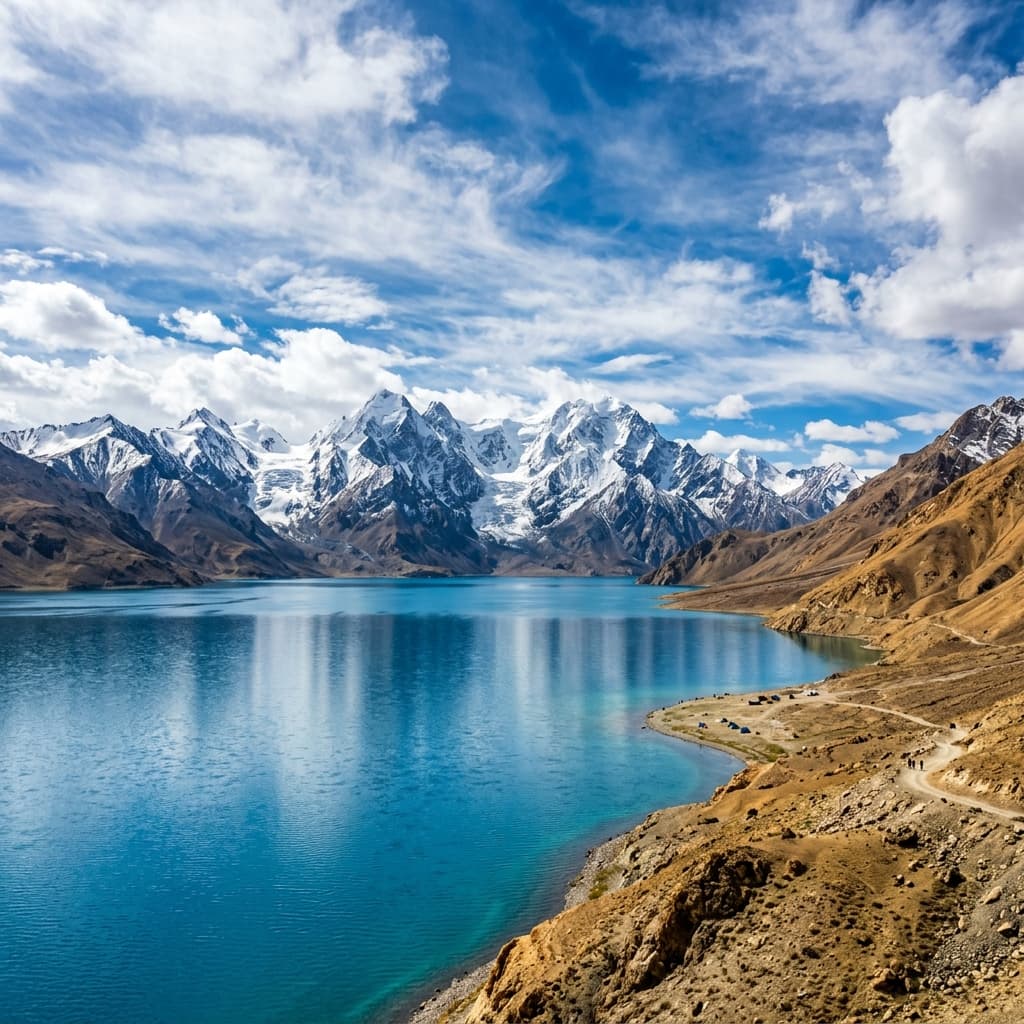
High mountain landscape representing trekking destinations in India
Home/Best Trekking Destinations in India for Every Level
India trekking guide

Best Trekking Destinations in India for Every Level

Explore the best trekking destinations in India by season and difficulty, from Western Ghats weekend trails to Himalayan treks, with preparation and verified departures.

See available trips Read the guide
Best time
Route-specific: winter snow treks, spring and autumn Himalayan trails, and post-monsoon Western Ghats routes
Ideal duration
1–2 days for local trails; 4–8 days for many Himalayan treks; longer for expeditions
Common gateways
Major gateways include Delhi, Dehradun, Chandigarh, Bangalore, Mumbai, Srinagar and Leh

The complete guide

The best trekking destination is not the one with the highest summit or the most dramatic photograph. It is the route whose altitude, distance, weather and terrain fit your experience. India offers short forest hikes in the Western Ghats, meadow trails in Uttarakhand, snow routes in Himachal, high-altitude lake journeys and remote Ladakh landscapes. Each asks for different preparation.

Difficulty labels are only a starting point. A ‘moderate’ route at altitude can feel harder than a steep low-elevation day hike, and rain or snow can change an easy path within hours. Before booking, compare daily distance, elevation gain, sleeping altitude, pack weight, toilet arrangements, guide ratio and evacuation plan—not only total days and price.
Himalayan treks
Western Ghats
Snow trails
Alpine meadows
High-altitude lakes

Worth adding

Nearby attractions and route ideas

Uttarakhand meadow trails

Routes through forests and alpine meadows with options across experience levels.

Compare sleeping altitude and daily elevation gain; route names alone do not show difficulty.

Himachal snow and pass routes

Seasonal trails ranging from short snow experiences to demanding crossings.

Verify current access, snow conditions and the organizer’s technical scope.

Ladakh high-altitude trails

Arid mountain landscapes, remote villages and high passes.

Allow proper acclimatization in Leh before beginning strenuous walking.

Western Ghats hikes

Lush seasonal trails accessible from cities such as Bangalore, Pune and Mumbai.

Post-monsoon scenery is excellent, but wet rock, leeches and access restrictions need preparation.

Sikkim and North East routes

Forest, ridge and high-mountain journeys with distinct permit and weather needs.

Use current permit information and experienced local support for remote itineraries.

Live marketplace inventory

Available trips

These departures come from current public listings by GoTogether organizers. Dates and seats can change, so open a trip to verify the latest details.

Browse all trips

No matching departure is live right now

Organizer inventory changes throughout the season. Explore all live trips or return later for a departure matching this guide.

Explore all trips

Questions answered

Frequently asked questions

Which trek is best for a beginner in India?

Choose a professionally guided lower-altitude route with modest daily distance and accessible exit points. The right answer depends on season, fitness and location; compare the route profile instead of relying only on a difficulty label.

How should I train for a Himalayan trek?

Build consistent aerobic fitness with brisk walking, stairs and gradual backpack time. Add leg and core strength, break in footwear and discuss personal medical concerns with a qualified clinician before high altitude.

What is the best month for trekking in India?

There is no single best month. Autumn suits many Himalayan routes, winter has specific snow treks, and post-monsoon months can suit parts of the Western Ghats. Always verify the exact trail’s current season.

What should I confirm before paying for a group trip?

Confirm the departure date, reporting point, transport type, room-sharing plan, inclusions, exclusions, minimum group size, organizer contact details, cancellation terms and refund timeline. The trip page should be your source of truth; ask the organizer to clarify anything that is not written there.

Continue planning

Available trekking tripsKedarnath group toursSolo travel in HimachalLadakh group trips
GoTogether

Connect with verified travelers, join curated trips, and explore the world with confidence.

Explore

  • Browse Trips
  • About Us
  • Sign In

Legal

  • Terms of Service
  • Privacy Policy
  • Safety Guidelines

Support

© 2026 GoTogether. All rights reserved.

Weekend hikes
01

Beginner-friendly trekking choices

First-time trekkers should choose a route with manageable walking hours, modest altitude gain and accessible exit points. Guided day hikes around established hill towns, short Western Ghats trails and selected lower Himalayan routes can build confidence. Even a beginner trek requires broken-in shoes, hydration, weather layers and honest communication about health.

Do not confuse a short itinerary with an easy trek. A compressed plan may demand faster ascent and longer days. Select an operator that states the route profile and offers a pre-trip briefing. Training with brisk walks, stairs and a light backpack for several weeks will make the journey more enjoyable and reduce avoidable strain.

02

Himalayan treks by season

Winter routes can offer snow but bring cold, shorter daylight and weather closures. Spring often brings clearer access and changing vegetation. Monsoon suitability varies dramatically: some trans-Himalayan regions are in a rain shadow, while many Uttarakhand and Himachal routes face landslide risk. Autumn is popular for stable views and cool temperatures, which also means busy trails.

Never choose dates from a generic ‘best time’ table alone. Snowpack, permits, local advisories and access roads change each year. Reconfirm conditions shortly before departure and keep a flexible plan. A professional organizer may change a campsite or route for safety; the booking terms should explain how significant substitutions are handled.

03

Operator, guide and safety checks

Ask who leads the trek, the guide-to-participant ratio and what emergency equipment the team carries. High-altitude routes should include an acclimatization plan, symptom monitoring and a realistic descent or evacuation protocol. Verify permits and insurance expectations. A waiver does not replace an operator’s duty to plan responsibly.

Cheap packages may reduce acclimatization days, meal quality, staff ratios or transport reliability. Compare like for like: gateway-to-gateway transport, accommodation before the trail, sleeping bags, tents, permits, meals, porter policy and taxes. Read the cancellation rules for both traveler decisions and operator-led weather changes.

04

Gear, fitness and trail ethics

Use a layered clothing system, proper footwear, sun protection and a waterproof outer layer. The exact gear list depends on altitude and season; rent specialized equipment from a reputable source when buying is unnecessary. Test every critical item before departure. Carry personal medicines and disclose relevant conditions during the safety briefing.

Stay on established paths, carry waste back and avoid loud music in natural areas. Use refill systems where water treatment is provided and follow local rules on plastic. Respect porters, guides and village communities; ask before photographing people. A successful trek is one completed without harming the landscape or pressuring a struggling teammate to continue.

05

How to compare available group trips

Start with the itinerary and work outward. Confirm that each day has realistic travel time, named overnight stops and enough rest for the planned activity. Then compare the transport, stay category, room-sharing format, meals, permits and local transfers. Two packages with the same destination and duration can deliver very different experiences when one includes the last-mile journey and the other treats it as an add-on.

Price should be read together with exclusions. Look for taxes, activity charges, personal transport, early check-in, single-room supplements and meals outside the written plan. Check the organizer’s public profile and visible reviews, but read comments for specific evidence instead of relying only on a rating. If a material promise is made in a call or chat, ask for it to be added to the booking record before paying.

06

What a well-run departure should explain

A useful pre-departure note identifies the trip captain, reporting location, emergency contact, luggage limit, weather expectation and documents to carry. It also explains the minimum group size and what happens if that threshold is not met. Travelers should know whether the organizer, a local partner or the accommodation is responsible for each important part of the itinerary.

Good group travel balances coordination with personal choice. Meals, nightlife, optional activities and free-time plans should not become hidden obligations. Room allocation and roommate changes need a clear process. For outdoor or remote journeys, the leader must be able to shorten or alter the plan when weather, health or local authorities make the original route unsafe.

07

Travel insurance, cancellation and flexibility

Read cancellation terms before the excitement of booking takes over. Note the date-based deduction, whether platform and payment fees are refundable, how quickly an eligible refund is processed and whether a credit note can replace cash. Transport tickets, permits and third-party activities may follow separate rules. Ask what happens when the organizer cancels versus when weather disrupts only part of the itinerary.

Travel insurance can be useful for medical emergencies, trip interruption and other covered events, but policies contain limits and exclusions. Check whether trekking altitude, adventure activities, pre-existing conditions and weather disruption are covered for your specific plan. Keep receipts and written communication. Insurance does not remove the need for a buffer day, emergency money and a realistic return connection.

08

A practical packing system

Pack for the itinerary rather than the destination name. Start with identification, payment access, personal medicines and weather protection, then add activity-specific footwear and clothing. Use layers that can be repeated, keep one dry change accessible and avoid a suitcase that you cannot manage during a vehicle change. A small day bag should hold water, sun protection, a power bank and the items you cannot afford to lose.

Check luggage rules before an overnight bus, shared cab or trek. Label bags and keep digital copies of essential documents, while protecting sensitive data. Reusable bottles and compact toiletries reduce waste. Do not pack specialist equipment merely because it appears on a generic checklist; ask the organizer what is provided, what can be rented and what must meet a defined safety standard.

Plan your trip

Beginner-friendly trekking choicesHimalayan treks by seasonOperator, guide and safety checksGear, fitness and trail ethicsHow to compare available group tripsWhat a well-run departure should explainTravel insurance, cancellation and flexibilityA practical packing system
Compare departures
High-altitude trekking landscape in India
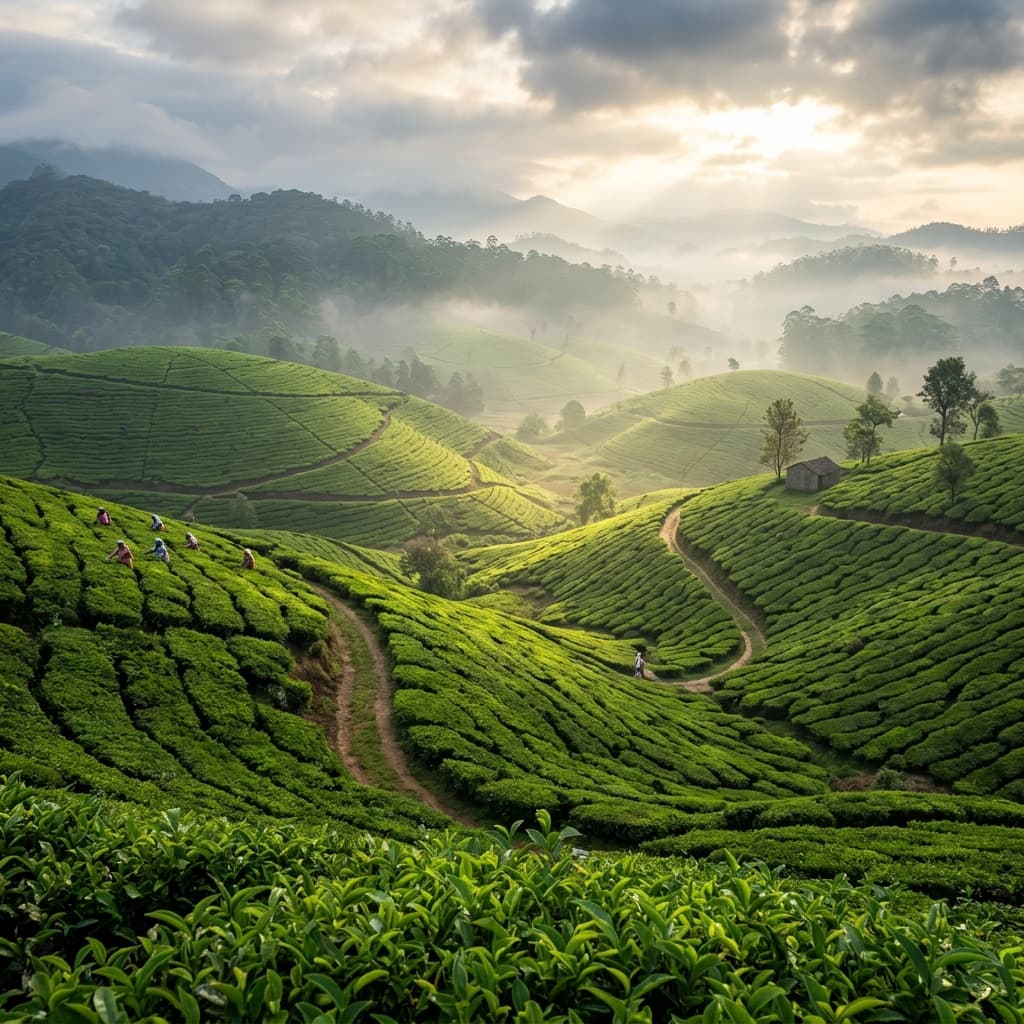
Green Western Ghats landscape for beginner treks
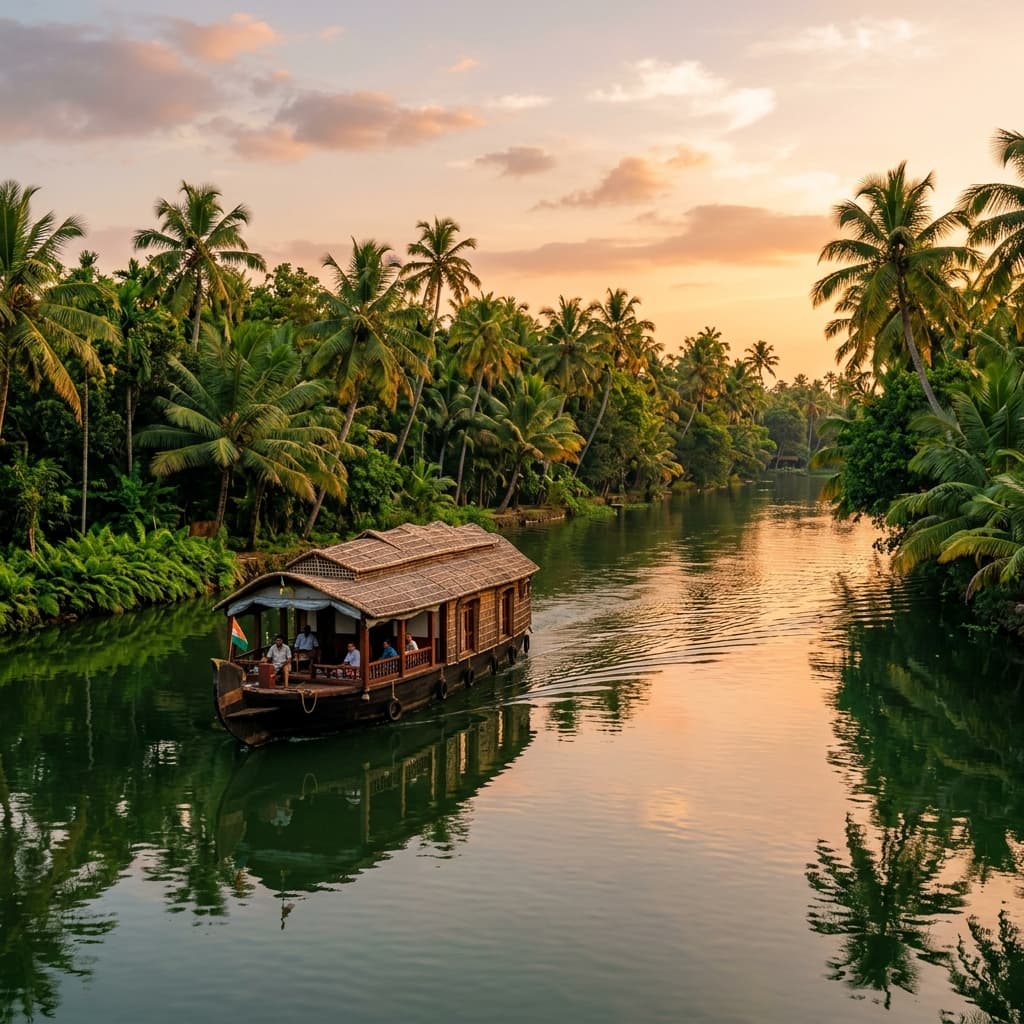
Lush South Indian nature destination
Can I join a GoTogether group trip alone?

Yes, many travelers join without an existing companion. Compare the expected group profile, room-sharing arrangement, activity level and organizer support before choosing a departure. A group format reduces planning work, but it should still match your comfort and travel style.