GoTogether
HomeTripsFind BuddyStoriesAbout
Sign In
Himalayan mountains for a solo trip in Himachal Pradesh
Home/Solo Travel in Himachal: Places, Safety & Group Trips
Himachal solo travel guide

Solo Travel in Himachal: Places, Safety & Group Trips

Plan solo travel in Himachal Pradesh with practical guidance on the best places, transport, stays, safety, budgets, weather and joining verified group trips.

See available trips Read the guide
Best time
March to June and September to November for many routes; winter and monsoon need destination-specific planning
Ideal duration
4–7 days for one region; 8–12 days for a slower multi-stop route
Common gateways
Delhi and Chandigarh are common gateways; Dharamshala, Kullu and Shimla also have regional connections

The complete guide

Solo travel in Himachal can mean a social hostel week in Manali, quiet village time in Jibhi, a learning-focused stay in Bir, café walks around Dharamshala or a demanding road journey through Spiti. These are different trips with different transport, altitude and connectivity needs. Start with one region instead of trying to cross the entire state in a week.

Traveling solo does not require doing every part alone. You can use public transport for the main route, book a local guide for a trek and join a verified group departure for remote sections. This hybrid approach preserves independence while reducing risk where roads, weather or navigation make coordination valuable.

Manali
Kasol
Jibhi
Bir
Dharamshala
Spiti Valley
01

Best Himachal bases for a solo trip

Manali has the broadest traveler infrastructure and easy access to cafés, hostels and local excursions. Kasol is social and compact but the wider Parvati Valley needs careful route planning. Jibhi and Tirthan suit a slower nature-focused stay. Bir attracts paragliding visitors, learners and remote workers, while Dharamshala and McLeod Ganj combine Tibetan culture, walks and good public connections.

Spiti is a separate category: distances are long, altitude is significant and services are sparse. First-time solo travelers may prefer an organized circuit or shared vehicle. Shimla is easy to reach and comfortable for a short heritage break, though it offers a different experience from the backpacking towns. Choose based on the trip you want, not a list of trending reels.

02

Transport without a private car

Government and private buses connect major towns, and shared taxis cover some onward routes. Confirm departure points locally, keep small schedule buffers and avoid assuming the last connection will wait. Daylight arrival is particularly useful in an unfamiliar village. Download maps and save the stay address because signal can disappear between towns.

Night buses save time but can leave you tired on arrival. Keep medicines, water, a warm layer and valuables accessible. For remote routes, tell your accommodation when you expect to arrive. Never accept an unverified ride solely because it is cheaper; record vehicle details and use recognized operators or referrals from a trusted stay.

03

Stays, meeting people and boundaries

Hostels make it easier to meet people, but dorm quality, lockers, quiet hours and mixed-gender arrangements vary. Read recent reviews and keep independent access to money, identification and onward transport. Guesthouses and homestays can offer a calmer local connection. Inform the host before a late arrival rather than assuming reception is always staffed.

New travel friendships can be rewarding without requiring instant trust. Meet in public areas, control your drinks, avoid sharing financial information and keep someone outside the trip updated. A group departure should publish the trip captain, room-sharing system and emergency process. You always retain the right to skip an activity that feels unsafe.

04

Weather, altitude and personal safety

Mountain weather can change quickly. Check route-specific forecasts, carry layers and avoid hiking unfamiliar trails alone after late afternoon. Monsoon increases landslide and slippery-trail risk, while winter can interrupt roads and water supply. Local administration and transport updates take priority over an old itinerary.

Altitude risk becomes important on routes such as Spiti and high passes. Ascend gradually, rest, hydrate and report symptoms early. Share your broad plan with family or friends, but do not post real-time room or location details publicly. Keep emergency numbers and insurance information available offline.

05

How to compare available group trips

Start with the itinerary and work outward. Confirm that each day has realistic travel time, named overnight stops and enough rest for the planned activity. Then compare the transport, stay category, room-sharing format, meals, permits and local transfers. Two packages with the same destination and duration can deliver very different experiences when one includes the last-mile journey and the other treats it as an add-on.

Price should be read together with exclusions. Look for taxes, activity charges, personal transport, early check-in, single-room supplements and meals outside the written plan. Check the organizer’s public profile and visible reviews, but read comments for specific evidence instead of relying only on a rating. If a material promise is made in a call or chat, ask for it to be added to the booking record before paying.

06

What a well-run departure should explain

A useful pre-departure note identifies the trip captain, reporting location, emergency contact, luggage limit, weather expectation and documents to carry. It also explains the minimum group size and what happens if that threshold is not met. Travelers should know whether the organizer, a local partner or the accommodation is responsible for each important part of the itinerary.

Good group travel balances coordination with personal choice. Meals, nightlife, optional activities and free-time plans should not become hidden obligations. Room allocation and roommate changes need a clear process. For outdoor or remote journeys, the leader must be able to shorten or alter the plan when weather, health or local authorities make the original route unsafe.

07

Travel insurance, cancellation and flexibility

Read cancellation terms before the excitement of booking takes over. Note the date-based deduction, whether platform and payment fees are refundable, how quickly an eligible refund is processed and whether a credit note can replace cash. Transport tickets, permits and third-party activities may follow separate rules. Ask what happens when the organizer cancels versus when weather disrupts only part of the itinerary.

Travel insurance can be useful for medical emergencies, trip interruption and other covered events, but policies contain limits and exclusions. Check whether trekking altitude, adventure activities, pre-existing conditions and weather disruption are covered for your specific plan. Keep receipts and written communication. Insurance does not remove the need for a buffer day, emergency money and a realistic return connection.

08

A practical packing system

Pack for the itinerary rather than the destination name. Start with identification, payment access, personal medicines and weather protection, then add activity-specific footwear and clothing. Use layers that can be repeated, keep one dry change accessible and avoid a suitcase that you cannot manage during a vehicle change. A small day bag should hold water, sun protection, a power bank and the items you cannot afford to lose.

Check luggage rules before an overnight bus, shared cab or trek. Label bags and keep digital copies of essential documents, while protecting sensitive data. Reusable bottles and compact toiletries reduce waste. Do not pack specialist equipment merely because it appears on a generic checklist; ask the organizer what is provided, what can be rented and what must meet a defined safety standard.

Plan your trip

Best Himachal bases for a solo tripTransport without a private carStays, meeting people and boundariesWeather, altitude and personal safetyHow to compare available group tripsWhat a well-run departure should explainTravel insurance, cancellation and flexibilityA practical packing system
Compare departures

Worth adding

Nearby attractions and route ideas

Old Manali

A social base with cafés, hostels and access to local walks.

Choose a stay reachable with luggage and confirm late-night transport.

Bir and Billing

A learning and adventure destination known for paragliding and monasteries.

Fly only with authorized operators when weather permits; keep a non-flying backup day.

Tirthan Valley

A quieter region for village stays, riverside time and guided nature walks.

Last-mile public transport is limited, so coordinate arrival with the stay.

Dharamshala and McLeod Ganj

A walkable cultural base with monasteries, food and short hikes.

It is a strong first solo destination because transport and traveler services are well established.

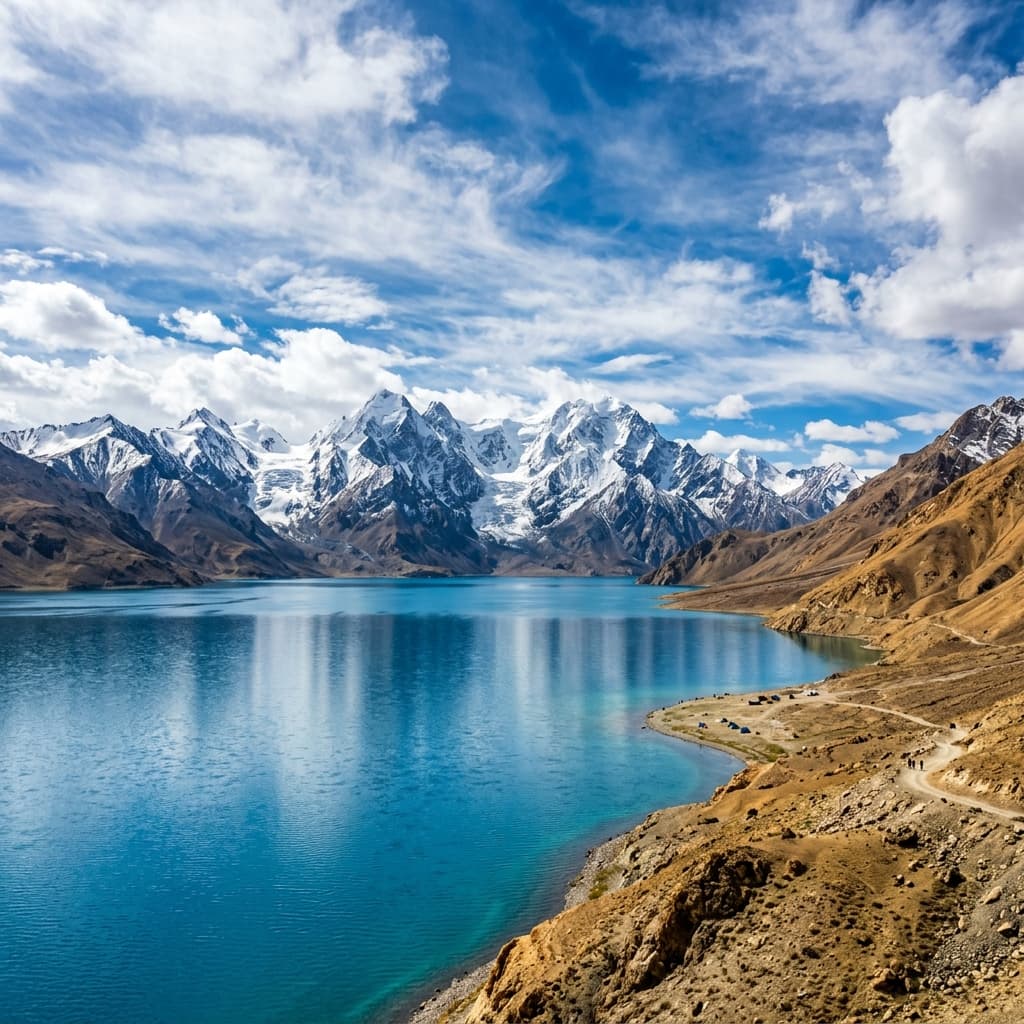
Himalayan road for a solo travel journey
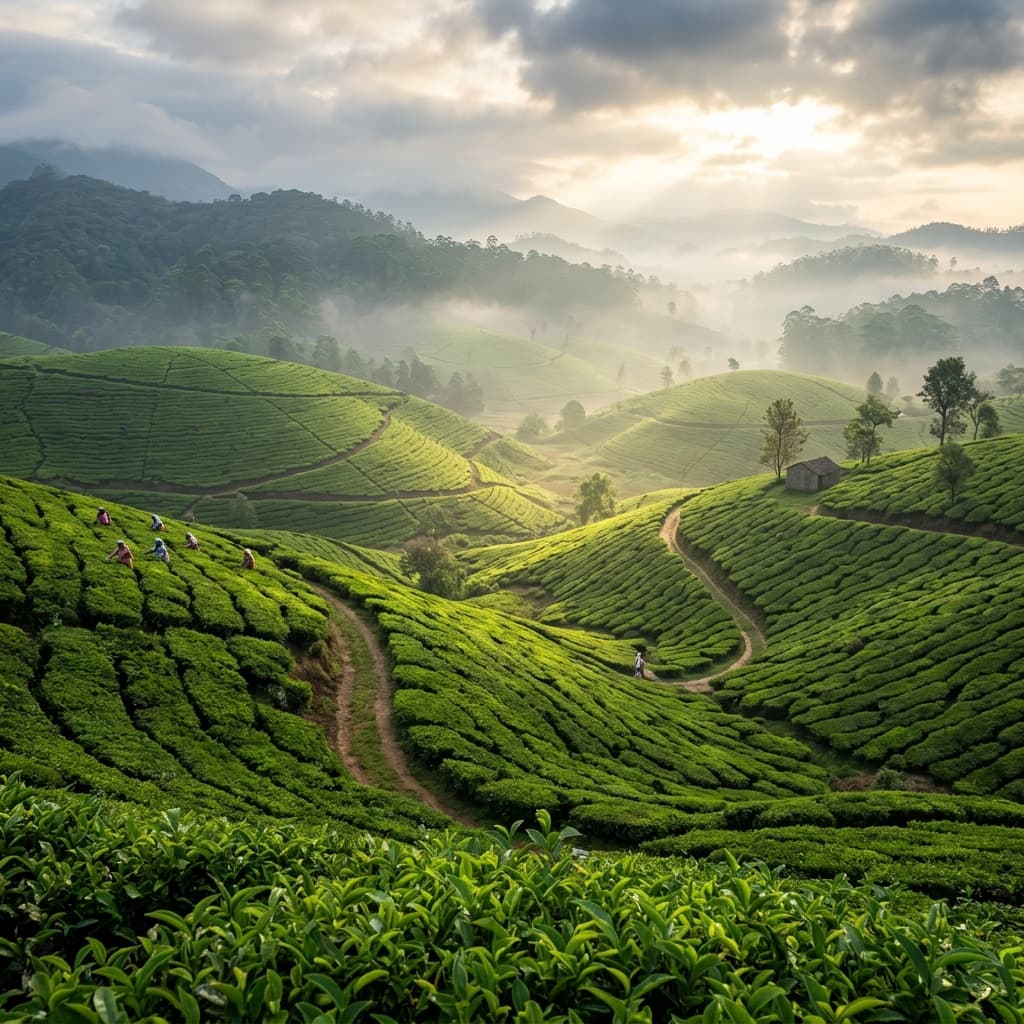
Mountain valley and green slopes
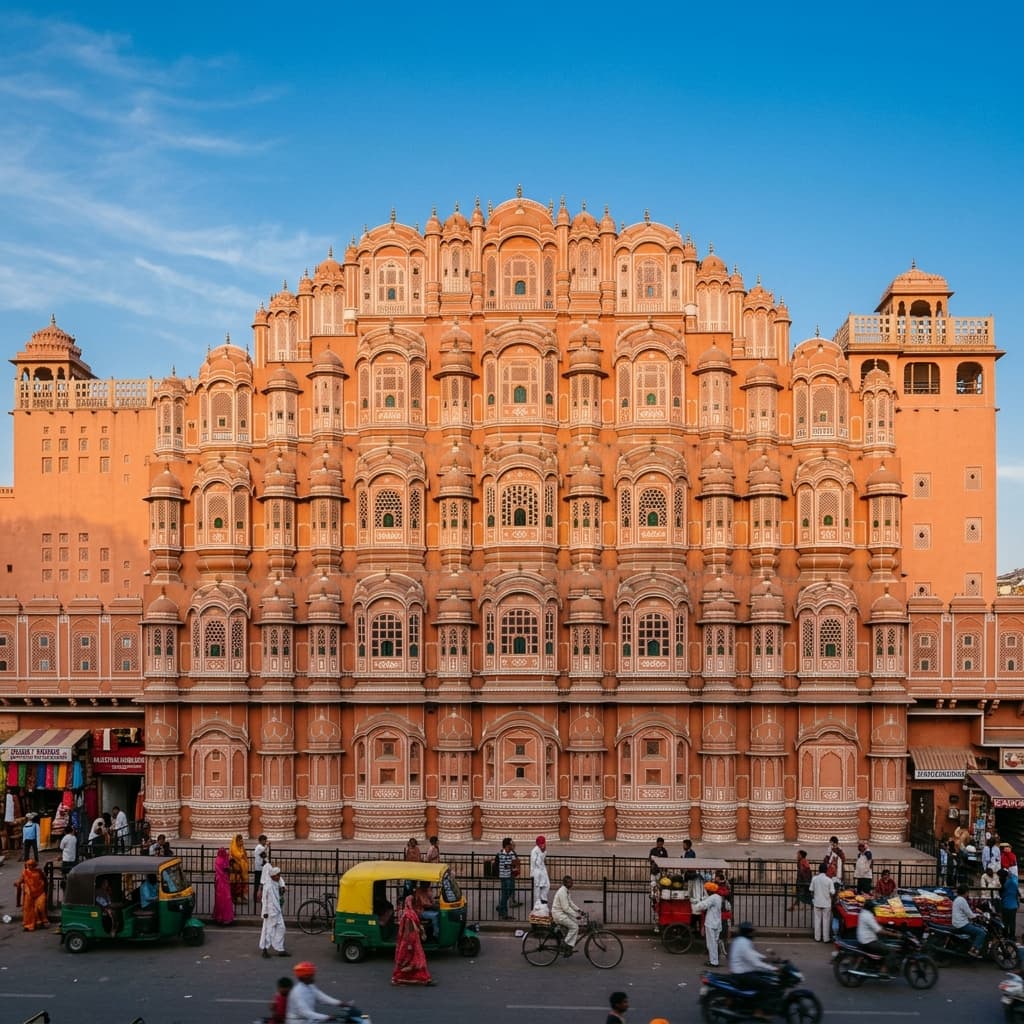
Cultural stop on an India group journey

Live marketplace inventory

Available trips

These departures come from current public listings by GoTogether organizers. Dates and seats can change, so open a trip to verify the latest details.

Browse all trips

No matching departure is live right now

Organizer inventory changes throughout the season. Explore all live trips or return later for a departure matching this guide.

Explore all trips

Questions answered

Frequently asked questions

Is Himachal safe for a first solo trip?

Many places have established traveler infrastructure, but safety depends on your route, season and decisions. Start with a connected base, arrive in daylight, keep others informed and use group or local support for remote sections.

Which place in Himachal is best for solo travelers?

Manali, Bir and Dharamshala are accessible first choices; Kasol is social, and Jibhi is quieter. Spiti is rewarding but requires more altitude and transport preparation.

Can women travel solo in Himachal?

Many women do, but no destination is risk-free. Use reviewed stays and recognized transport, protect personal information, avoid isolated night walks and choose a group departure when a remote route would otherwise leave you unsupported.

What should I confirm before paying for a group trip?

Confirm the departure date, reporting point, transport type, room-sharing plan, inclusions, exclusions, minimum group size, organizer contact details, cancellation terms and refund timeline. The trip page should be your source of truth; ask the organizer to clarify anything that is not written there.

Can I join a GoTogether group trip alone?

Yes, many travelers join without an existing companion. Compare the expected group profile, room-sharing arrangement, activity level and organizer support before choosing a departure. A group format reduces planning work, but it should still match your comfort and travel style.

Continue planning

Kasol backpacking tripsManali group tripsBir group tripsSolo travel groups
GoTogether

Connect with verified travelers, join curated trips, and explore the world with confidence.

Explore

  • Browse Trips
  • About Us
  • Sign In

Legal

  • Terms of Service
  • Privacy Policy
  • Safety Guidelines

Support

© 2026 GoTogether. All rights reserved.