GoTogether
HomeTripsCustom TripFind BuddyStoriesAbout
Sign In
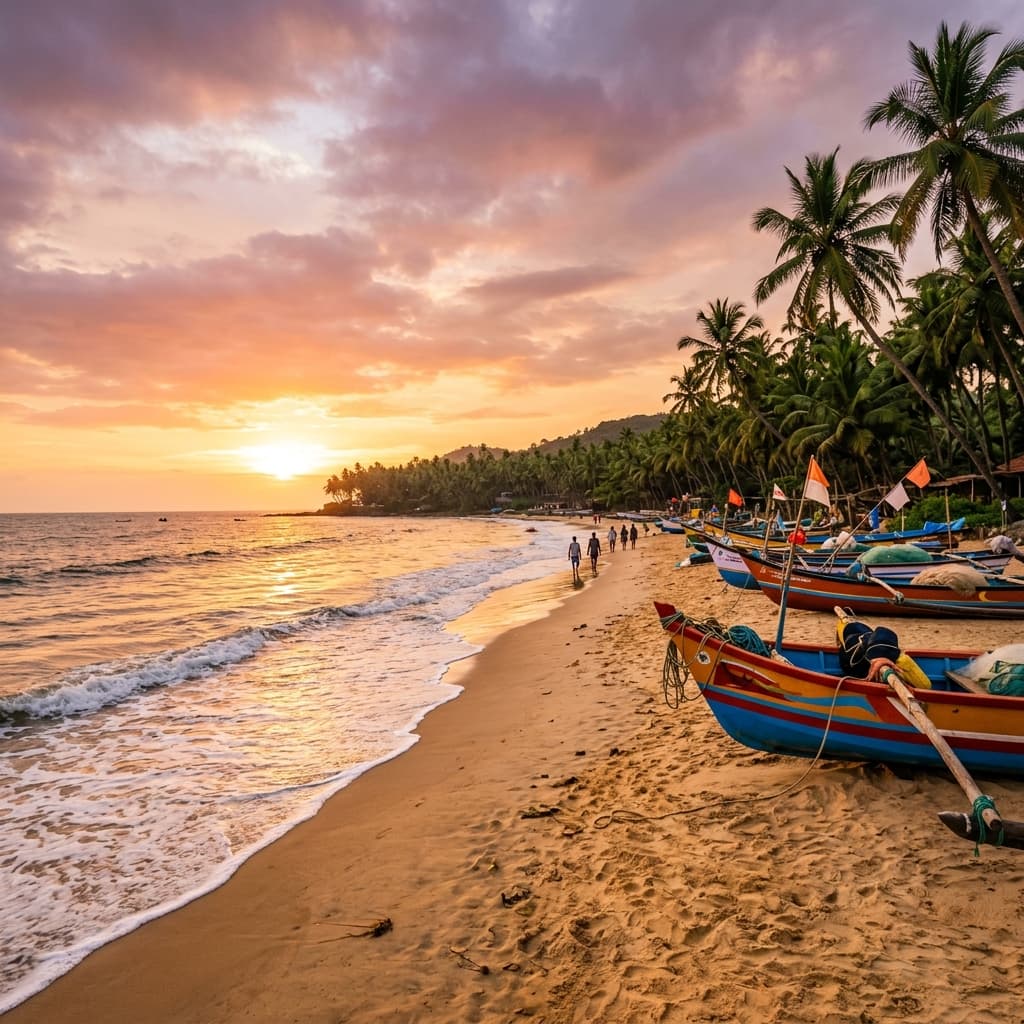
Palm-fringed beach in Goa for a group trip
Home/Destinations/Goa Group Trips: Beaches, Routes & Travel Guide
Goa group trip guide

Goa Group Trips: Beaches, Routes & Travel Guide

Plan a Goa group trip with practical advice on the best season, North and South Goa, beaches, nightlife, stays, budgets, nearby attractions and live departures from verified organizers.

See available trips Read the guide
Best time
November to February for dry, comfortable beach weather; March to May for quieter stays
Ideal duration
3–5 days for one side of Goa; 5–7 days for both North and South Goa
Common gateways
Goa Dabolim Airport, Manohar International Airport, Madgaon, Thivim and Vasco da Gama

The complete guide

A Goa group trip works best when it is planned as more than a checklist of crowded beaches. The state is compact, yet the experience changes noticeably between the energetic northern belt, the slower southern coast and the heritage neighbourhoods around Panaji and Old Goa. A good group itinerary creates enough structure for transfers and shared activities while leaving free time for a swim, a café, a market or an unhurried sunset.

For first-time visitors, the biggest decision is where to stay. North Goa suits travelers who want busy beaches, restaurants, nightlife and easy social energy. South Goa generally feels calmer and has longer stretches of sand, relaxed resorts and a slower rhythm. Trying to cover both ends in a short weekend often means too much time in traffic, so choose one base for a three-day trip and add the other only when you have five days or more.
North Goa beaches
South Goa coves
Old Goa churches
Panaji lanes

Worth adding

Nearby attractions and route ideas

Fontainhas, Panaji

A walkable Latin Quarter with colorful homes, small galleries and old lanes.

Visit in the morning and explore respectfully; many photogenic buildings are private homes.

Basilica of Bom Jesus

A major Old Goa landmark and part of the area’s historic church complex.

Dress for a place of worship and combine it with nearby Se Cathedral.

Chapora Fort

A hilltop ruin known for broad views over Vagator and the coast.

Go before sunset with proper footwear; the exposed walk can be hot.

Palolem and Agonda

Two South Goa beach areas suited to a slower day by the Arabian Sea.

Allow a full day from North Goa rather than squeezing them into a rapid beach circuit.

Goa beach and tropical coastline
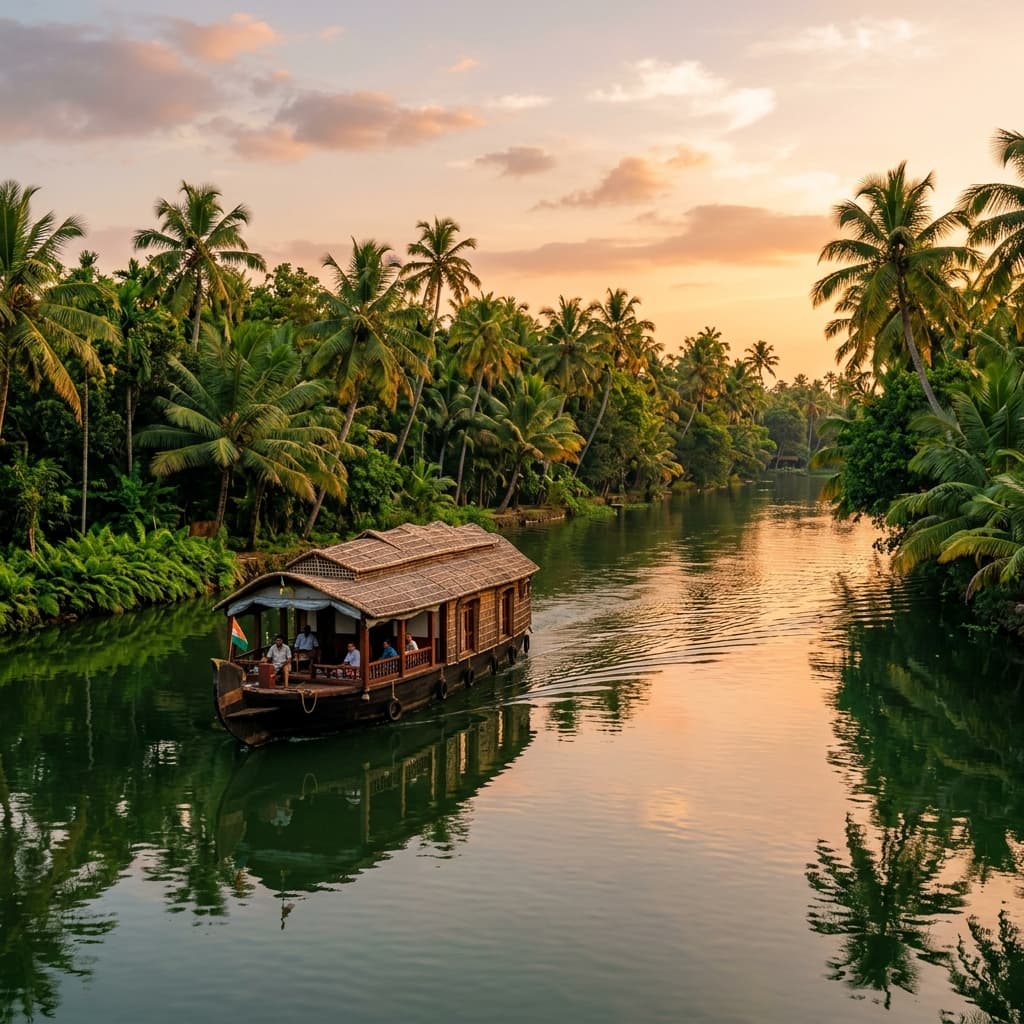
Palm-lined coastal scenery in India

Live marketplace inventory

Available trips

These departures come from current public listings by GoTogether organizers. Dates and seats can change, so open a trip to verify the latest details.

Browse all trips

No matching departure is live right now

Organizer inventory changes throughout the season. Explore all live trips or return later for a departure matching this guide.

Explore all trips

Questions answered

Frequently asked questions

How much does a Goa group trip usually cost?

Cost varies with departure city, transport, season, stay category, room sharing and inclusions. Compare the complete payable price and budget separately for meals, local transfers and activities that the trip page lists as exclusions.

Is North Goa or South Goa better for a first group trip?

North Goa is usually easier for a lively first trip with cafés, markets and nightlife. South Goa is a better fit for quiet beaches and a slower schedule. Neither is universally better; match the base to your group’s priorities.

Is Goa safe for solo travelers joining a group?

A well-described group departure can reduce planning friction, but personal precautions still matter. Verify the organizer, share the itinerary, use agreed transport, follow beach safety flags and avoid isolated areas alone after dark.

What should I confirm before paying for a group trip?

Confirm the departure date, reporting point, transport type, room-sharing plan, inclusions, exclusions, minimum group size, organizer contact details, cancellation terms and refund timeline. The trip page should be your source of truth; ask the organizer to clarify anything that is not written there.

Continue planning

Gokarna group tripsWeekend trips from BangaloreBackpacking trips in IndiaSolo travel groups
GoTogether

Connect with verified travelers, join curated trips, and explore the world with confidence.

Explore

  • Browse Trips
  • Plan a Custom Trip
  • About Us
  • Sign In

Legal

  • Terms of Service
  • Privacy Policy
  • Safety Guidelines

Support

© 2026 GoTogether. All rights reserved.

Sunset cruises
Local food
01

Choosing North Goa or South Goa

North Goa places you close to Candolim, Calangute, Baga, Anjuna and Vagator. It is the easier choice for a social group that values café options, markets, music venues and short hops between popular stops. The trade-off is congestion during long weekends and peak winter dates. Look for a stay that is near the places you actually plan to visit; a cheap room far inland can turn every outing into a long cab ride.

South Goa is better for travelers who prefer quieter beaches such as Colva, Benaulim, Agonda and Palolem. Distances are still meaningful, but the overall pace is gentler. A balanced longer itinerary can use two bases—one in the north and one in the south—rather than repeatedly crossing the state. Confirm whether inter-hotel transfers and luggage handling are included in the package.

02

A sensible Goa group itinerary

On day one, arrive, check in and keep the plan light: a nearby beach, orientation walk and group dinner are enough. Use the second day for a North Goa circuit or a South Goa beach trail, not both. A third day can cover Fontainhas, Panaji, Old Goa or a river cruise. With additional time, add a waterfall excursion in the appropriate season, a spice plantation, a cycling tour or an unstructured beach day.

The strongest itineraries name realistic travel times and do not treat every stop as mandatory. Ask how long the vehicle waits, whether parking charges are included and what happens when the group wants to split for free time. Water activities depend on weather and local permissions, so they should never be presented as guaranteed without a clear backup plan.

03

Budget, stays and getting around

Your final Goa budget depends less on the headline room rate than on location, weekend pricing and local transport. Shared rooms and a well-located base can offer better value than a remote stay with repeated taxi costs. Read the room configuration carefully: twin, triple and dorm sharing are different products, and solo occupancy usually carries a supplement. Check breakfast timings if early activities are planned.

Self-drive scooters are common but should only be used by licensed, confident riders wearing helmets. Groups may prefer a contracted vehicle because it keeps the itinerary coordinated. Confirm fuel, tolls, parking, airport pickup and late-night transfers in writing. Keep a small buffer for meals not included, beach shacks, optional activities and weather-related changes.

04

Food, nightlife and responsible travel

Goan food is a central part of the trip: try local breads, fish thali, vegetarian Saraswat dishes and regional desserts instead of relying entirely on familiar café menus. Travelers with allergies or dietary restrictions should tell the organizer early and reconfirm directly at the restaurant. Hydration and sun protection matter even in winter because beach days can be deceptively tiring.

Nightlife should remain optional on a mixed-interest group trip. Agree on return transport before the evening begins, use licensed vehicles and avoid leaving anyone to travel back alone. On beaches, carry reusable water bottles, respect swimming flags, avoid cliff edges after dark and never leave litter behind. Goa is a lived-in state, not only a party backdrop; considerate clothing and behavior matter around villages and religious sites.

05

How to compare available group trips

Start with the itinerary and work outward. Confirm that each day has realistic travel time, named overnight stops and enough rest for the planned activity. Then compare the transport, stay category, room-sharing format, meals, permits and local transfers. Two packages with the same destination and duration can deliver very different experiences when one includes the last-mile journey and the other treats it as an add-on.

Price should be read together with exclusions. Look for taxes, activity charges, personal transport, early check-in, single-room supplements and meals outside the written plan. Check the organizer’s public profile and visible reviews, but read comments for specific evidence instead of relying only on a rating. If a material promise is made in a call or chat, ask for it to be added to the booking record before paying.

06

What a well-run departure should explain

A useful pre-departure note identifies the trip captain, reporting location, emergency contact, luggage limit, weather expectation and documents to carry. It also explains the minimum group size and what happens if that threshold is not met. Travelers should know whether the organizer, a local partner or the accommodation is responsible for each important part of the itinerary.

Good group travel balances coordination with personal choice. Meals, nightlife, optional activities and free-time plans should not become hidden obligations. Room allocation and roommate changes need a clear process. For outdoor or remote journeys, the leader must be able to shorten or alter the plan when weather, health or local authorities make the original route unsafe.

07

Travel insurance, cancellation and flexibility

Read cancellation terms before the excitement of booking takes over. Note the date-based deduction, whether platform and payment fees are refundable, how quickly an eligible refund is processed and whether a credit note can replace cash. Transport tickets, permits and third-party activities may follow separate rules. Ask what happens when the organizer cancels versus when weather disrupts only part of the itinerary.

Travel insurance can be useful for medical emergencies, trip interruption and other covered events, but policies contain limits and exclusions. Check whether trekking altitude, adventure activities, pre-existing conditions and weather disruption are covered for your specific plan. Keep receipts and written communication. Insurance does not remove the need for a buffer day, emergency money and a realistic return connection.

08

A practical packing system

Pack for the itinerary rather than the destination name. Start with identification, payment access, personal medicines and weather protection, then add activity-specific footwear and clothing. Use layers that can be repeated, keep one dry change accessible and avoid a suitcase that you cannot manage during a vehicle change. A small day bag should hold water, sun protection, a power bank and the items you cannot afford to lose.

Check luggage rules before an overnight bus, shared cab or trek. Label bags and keep digital copies of essential documents, while protecting sensitive data. Reusable bottles and compact toiletries reduce waste. Do not pack specialist equipment merely because it appears on a generic checklist; ask the organizer what is provided, what can be rented and what must meet a defined safety standard.

Plan your trip

Choosing North Goa or South GoaA sensible Goa group itineraryBudget, stays and getting aroundFood, nightlife and responsible travelHow to compare available group tripsWhat a well-run departure should explainTravel insurance, cancellation and flexibilityA practical packing system
Compare departures
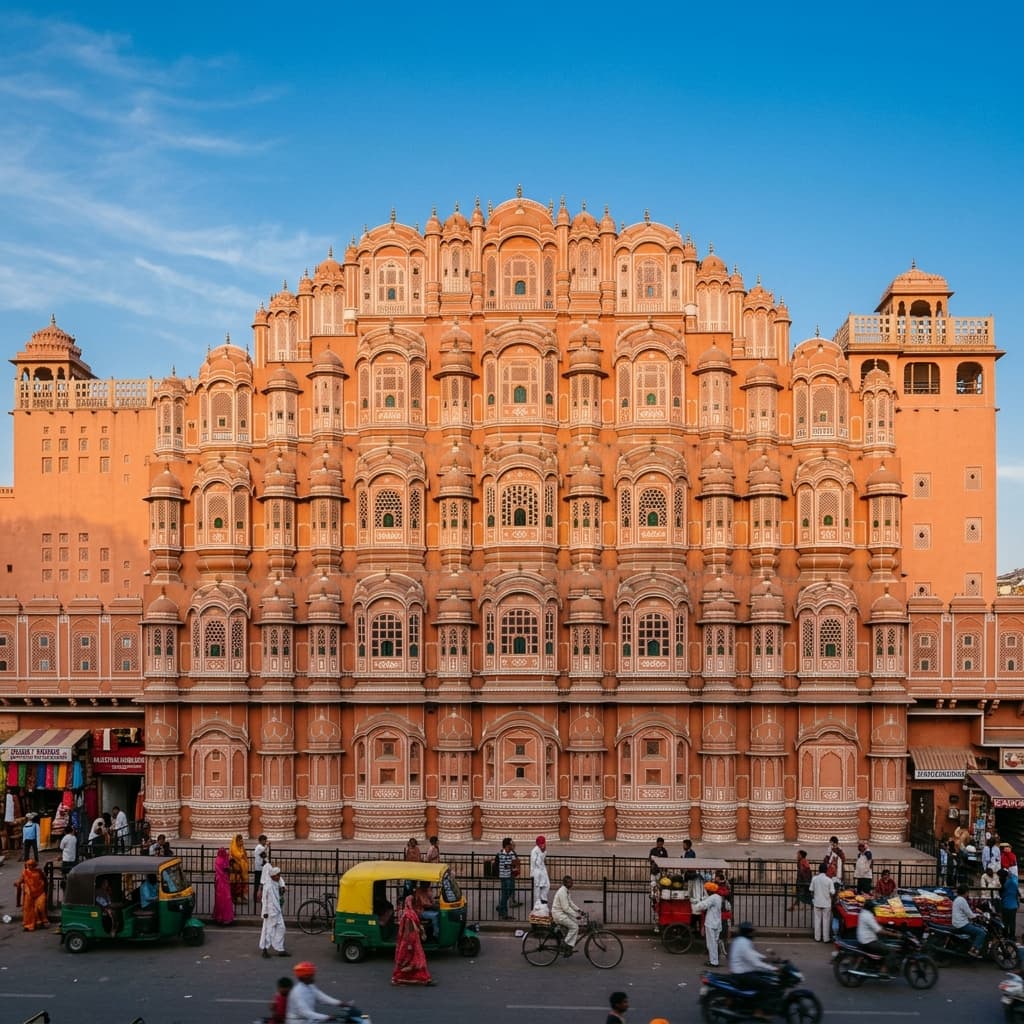
Heritage architecture on an India group journey
Can I join a GoTogether group trip alone?

Yes, many travelers join without an existing companion. Compare the expected group profile, room-sharing arrangement, activity level and organizer support before choosing a departure. A group format reduces planning work, but it should still match your comfort and travel style.